
The allure of the casino environment
Casinos have a unique atmosphere that captivates people from all walks of life. The bright lights, vibrant colors, and carefully curated sounds create an intoxicating sensory experience designed to draw players in. This environment is often likened to a carnival or amusement park, where the thrill of possibility and excitement reigns supreme. Many visitors are also interested in exploring various betting sites that complement their casino experience, immersing them in a world where luck seems boundless. Each element is meticulously crafted to enhance the overall experience and keep players engaged.
Moreover, casinos utilize psychological principles to create an environment that fosters a sense of escapism. When individuals step inside a casino, they leave behind the monotony of everyday life and enter a realm filled with excitement and unpredictability. The lack of windows and clocks contributes to a disorientation of time, leading patrons to lose track of hours spent engaging in games. This phenomenon, known as the “flow state,” enhances enjoyment and prolongs gambling sessions, further entrenching them in the experience. The atmosphere is designed to be immersive, making it difficult to resist the allure of the next game.
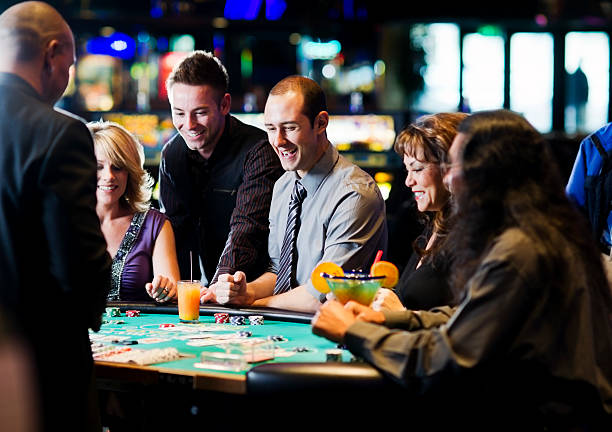
The social aspect of casinos also plays a crucial role in their allure. Many people find joy in gathering with friends and strangers alike, sharing in the highs and lows of gambling. The communal atmosphere heightens the thrill, as players cheer for one another during wins and offer support during losses. Games that require multiple participants, such as poker or roulette, intensify this social dynamic, making the experience not just about individual wins, but also about collective excitement. This sense of community and shared experience can create lasting memories, further enhancing the desire to return.
The thrill of risk and reward
At the core of gambling lies the fundamental human attraction to risk and reward. This age-old instinct is deeply rooted in our evolutionary history, where taking risks could mean the difference between survival and extinction. In a casino setting, the potential for substantial rewards activates the brain’s pleasure centers, releasing dopamine and eliciting feelings of excitement and satisfaction. This chemical response reinforces the desire to gamble, driving players to return for more. The thrill of potentially winning big taps into our innate desire for adventure and excitement.
The concept of “near misses” also plays a significant role in the psychology of gambling. When players nearly win—pulling a losing hand that is just shy of the jackpot—they often feel a surge of excitement that can mimic the thrill of actual victories. This psychological phenomenon can lead players to believe they are closer to winning, compelling them to continue playing in hopes of eventually hitting the jackpot. This cycle of expectation and reward can create a powerful compulsion to gamble, reinforcing the bond between the individual and the game. The anticipation of a potential win can be addictive in its own right.

Furthermore, casinos capitalize on the concept of variable rewards, which is a cornerstone of behavioral psychology. When players experience a mix of wins and losses, the unpredictability of outcomes keeps them engaged. This unpredictability is akin to a slot machine’s random payout system, where players are often unaware of whether their next spin will be a big win or a loss. This risk-reward dynamic keeps gamblers on the edge, as they chase the rush that comes with each play, even if it leads to financial loss. The excitement of not knowing the outcome is a powerful motivator that keeps players coming back for more.
The impact of signage and marketing
Signage and marketing in casinos are carefully crafted to entice and influence potential gamblers. From large, eye-catching banners to the strategic placement of promotional offers, every aspect of casino marketing is designed with psychological principles in mind. Promotional offers, such as free spins or bonuses, appeal to the desire for immediate gratification and attract players looking for a deal. By creating a sense of urgency or scarcity, casinos can motivate action, encouraging customers to gamble more. This marketing strategy effectively plays on human psychology, prompting immediate responses.
Moreover, the use of loyalty programs is another tactic to keep players engaged and coming back for more. These programs tap into the psychological phenomenon known as the “IKEA effect,” where individuals place a higher value on items or experiences they have invested time and effort into. By rewarding regular patrons with points, special bonuses, or exclusive access to events, casinos create a sense of belonging and attachment, thus encouraging continued gambling. This personalized approach makes players feel valued, increasing their likelihood of repeated visits.
Casinos also leverage the appeal of aspirational branding, presenting themselves as luxurious, exclusive venues. This image attracts individuals seeking not just entertainment, but also a luxurious experience. The combination of high-stakes gaming with upscale dining and entertainment creates a holistic experience that appeals to players’ desires for excitement and sophistication. This careful crafting of brand image and perception draws individuals into the casino world, where they hope to taste the lifestyle only seen in movies or advertisements. The allure of exclusivity can be a powerful draw for many potential gamblers.
The role of technology in gambling psychology
Advancements in technology have transformed the gambling landscape, making the experience even more psychologically compelling. Online casinos and mobile gaming applications have democratized access to gambling, allowing players to engage with their favorite games from the comfort of their homes. This convenience has contributed to the increase in gambling participation, as players can indulge in their passions at any time, leading to a blurring of boundaries between leisure and addiction. The ease of access can make it difficult for some players to recognize when they are crossing the line.
Moreover, technology enables immersive experiences through virtual and augmented reality. These innovations create an engaging atmosphere that mimics the excitement of being in a physical casino while allowing players to interact with games in entirely new ways. The ability to participate in live dealer games via real-time video interaction adds a social element often missing from traditional online gambling, reinvigorating the player’s experience and further cementing the psychological pull of casinos. This blend of technology and social interaction can lead to deeper engagement.
Additionally, data analytics now allow casinos to track player behavior, enabling tailored gaming experiences. Understanding individual preferences can lead to personalized promotions, games, and interactions, ensuring that players feel valued and engaged. This level of customization can reinforce loyalty and increase frequency of visits, as players feel understood and catered to by the casino, enhancing their overall experience. The integration of technology not only improves user satisfaction but also encourages responsible gambling practices by providing insights into player behavior.
Exploring responsible gambling and its importance
While the psychology of gambling reveals many enticing aspects, it is crucial to acknowledge the importance of responsible gambling practices. The addictive nature of gambling can lead to negative consequences, such as financial hardship, strained relationships, and mental health issues. Understanding these risks is essential for players who wish to enjoy the thrill of casinos without falling into detrimental patterns. Education around responsible gambling is vital in helping individuals set limits and recognize when to walk away. This proactive approach can prevent escalation into addiction.
Many casinos are increasingly adopting measures to promote responsible gambling, such as offering self-exclusion programs, providing resources for problem gambling, and implementing strategies to raise awareness about the potential dangers of gambling. These initiatives not only serve to protect players but also foster a healthier gaming environment. By taking proactive steps, casinos can enhance their reputation while ensuring players can enjoy their experiences responsibly. The emphasis on responsible gambling creates a more sustainable gaming culture.
As the landscape of gambling evolves, ongoing discussions surrounding responsible gambling will remain vital. Encouraging open dialogues about the psychological aspects of gambling can help demystify the experiences players face and emphasize the importance of moderation. By fostering awareness and understanding, the industry can create a healthier relationship between players and the thrill of chance—balancing enjoyment with responsibility. This ongoing commitment to responsible practices can help mitigate the negative impacts of gambling while still allowing individuals to enjoy the entertainment it offers.
0 Comments