
Understanding Luck in Gambling
Luck is often seen as a fundamental element of gambling, serving as the unpredictable force that can sway outcomes in an instant. Many games, especially those reliant on chance, are heavily influenced by luck. Take a game of roulette, for instance; the outcome is determined primarily by where the ball lands on the spinning wheel. This level of randomness means that players have little control over the results, making luck the predominant factor in their success or failure. For those seeking such experiences, playing at an online casino highlights this thrilling aspect, as the thrill of a lucky break can lead to significant winnings.
Moreover, luck plays a significant role in determining short-term results in gambling scenarios. For example, a player at a slot machine can hit a jackpot purely based on chance, regardless of their skill level or strategy. Such instances can create a perception that winning is easy or simply a matter of luck. However, it is essential to recognize that while luck can lead to sudden wins, it is not a reliable strategy for sustained success in gambling. The transient nature of luck means that players may experience highs and lows that are largely out of their control, leading to a rollercoaster of emotions.
The psychological impact of luck cannot be overlooked. Gamblers often attribute wins to their good fortune while dismissing losses as bad luck. This tendency can lead to overconfidence in one’s abilities, encouraging players to chase losses or make risky bets under the impression that their luck will turn. Understanding the role of luck can help gamblers maintain a balanced perspective and manage their expectations in pursuing both pleasure and potential profits. By embracing the fluctuating nature of luck, players can cultivate a healthier relationship with gambling, focusing on enjoyment rather than solely on outcomes.
The Role of Skill in Gambling
While luck is an undeniable factor in gambling, skill can significantly enhance a player’s chances of winning over the long term. Games such as poker and blackjack require a combination of strategy, psychological insights, and statistical analysis. Skilled players can read opponents, calculate probabilities, and make decisions that lead to a more favorable outcome. In this sense, skill acts as a counterbalance to luck, allowing knowledgeable players to consistently outperform novices. This dynamic illustrates how skillful decision-making can transform a game that is otherwise dictated by chance.
In poker, for instance, understanding the odds of certain hands and knowing when to fold or bluff can drastically shift the game’s dynamics. Players who invest time in honing their skills can capitalize on their opponents’ mistakes, thereby increasing their winning potential. This highlights how skill transforms a game of chance into a calculated endeavor, where informed decisions can lead to more predictable results over time. The importance of developing strategic thinking cannot be overstated, as it empowers players to make choices that maximize their potential for success.

Moreover, skill-based gambling often incorporates elements of practice and experience, enabling players to refine their strategies. The more one plays, the more they learn about the nuances of the game, including the odds and various betting strategies. This continuous learning process can lead to improved performance and greater enjoyment, as players become more adept and confident in their abilities to navigate the complexities of the games they love. Ultimately, the cultivation of skill can serve as a protective buffer against the whims of luck, enabling players to approach gambling with a greater sense of agency.
The Balance of Luck and Skill
The interaction between luck and skill creates a unique landscape in the gambling world, where both elements coexist and influence outcomes. In many games, luck may dictate short-term results, while skill can lead to long-term success. This duality means that players must recognize how their choices impact their chances of winning. For instance, a skilled poker player may experience a string of bad luck due to unpredictable card distributions but can still leverage their expertise to remain competitive over the long haul. This balance underscores the importance of maintaining perspective, as relying solely on luck can lead to frustration and disappointment.
Conversely, a player relying solely on luck may encounter fleeting wins but will ultimately face the reality that sustained success requires more than just chance. This highlights the importance of developing skills and understanding the games played, as possessing knowledge and experience can mitigate the downsides of bad luck. By recognizing the balance of both elements, players can cultivate a strategy that takes advantage of their strengths while acknowledging the unpredictable nature of gambling. The ability to adapt to changing circumstances can lead to a more fulfilling gambling experience.
Ultimately, the interplay between luck and skill reflects the broader human experience of uncertainty and unpredictability. Gamblers must embrace this aspect, learning to manage their emotions and expectations in the face of both winning streaks and losses. By cultivating a mindset that values skill development while accepting the role of luck, players can enhance not only their gameplay but also their overall gambling experience. This balanced approach fosters resilience, allowing players to navigate the highs and lows of gambling with grace and confidence.
The Psychological Impacts of Luck and Skill
The psychological framework surrounding luck and skill in gambling significantly affects players’ behavior and decision-making processes. Many gamblers fall prey to cognitive biases, such as the illusion of control, where they believe that they can influence outcomes through their actions or strategies. Such beliefs can lead to reckless betting and an overemphasis on skill, even in inherently luck-dependent games like slot machines or lotteries. This cognitive dissonance can create a precarious situation where players may find themselves chasing losses and making ill-advised decisions.
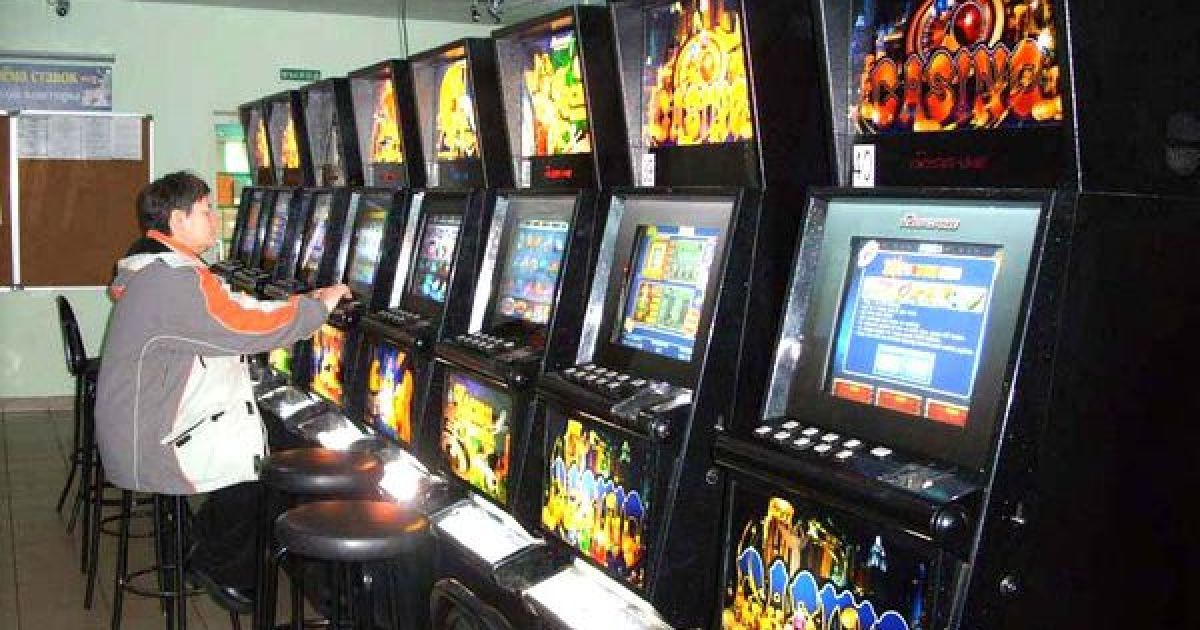
The “hot streak” phenomenon is another psychological effect that affects gamblers’ perceptions of luck and skill. When players experience a series of wins, they often attribute these results to their skill or strategy rather than a coincidence of chance. This can lead to a dangerous cycle where players continue to bet aggressively, driven by the belief that their recent success will continue indefinitely. Such skewed perceptions can be detrimental to sound gambling practices and responsible gaming, as they can result in significant financial losses and emotional turmoil.
Understanding these psychological dynamics can empower players to make informed decisions. By recognizing that both luck and skill are at play, gamblers can adopt a more balanced approach to their gaming experience. This involves setting limits, practicing responsible gambling habits, and continually educating themselves on the nature of the games they participate in. In doing so, players can better manage their expectations and enjoy the thrill of gambling without succumbing to the pitfalls associated with misinterpreting the role of luck and skill. The journey toward responsible gambling is not just about understanding the games but also about fostering a healthy mindset.
Explore Our Gaming Community
Our website serves as a resource for both novice and experienced gamblers looking to deepen their understanding of the complex interplay between luck and skill in gambling. We provide articles, strategies, and insights that help players navigate the nuances of various games while fostering an appreciation for responsible gaming. Here, you will find a wealth of information designed to enrich your gambling experience, empowering you to make informed choices that enhance your enjoyment.
In addition to informative content, our community encourages discussions among gamblers about their experiences, strategies, and thoughts on luck and skill. By engaging with others who share similar interests, players can learn from one another and develop their skills in a supportive environment. Our aim is to promote not only knowledge but also a positive and responsible approach to gambling, helping individuals cultivate a balanced perspective that embraces both the excitement of chance and the value of skill.
Join us in exploring the dynamic world of gambling, where understanding the balance of luck and skill can transform the way you play. Whether you’re looking to improve your game or simply enjoy discussions with fellow enthusiasts, our platform welcomes you to dive into the exciting realm of gambling with newfound insights and a community ready to support you on your journey. Together, we can foster a culture of responsible gaming that prioritizes fun, education, and camaraderie.
0 Comments